


How to Keep a Dog Calm Outside: Training Your Dog to Stay Calm in Public
Taking your dog out in public can be a joyful experience, but it can also be a challenge if your furry friend gets overly excited or anxious. I’ve been there, and I know how important it is to help your dog stay calm and focused when you’re out and about. Whether it’s a busy park, a crowded street, or a local event, teaching your dog to remain calm can make all the difference in enjoying your time together.
In this post, I’ll share practical tips and gentle techniques to help you keep a dog calm outside. These methods are designed to build trust, reduce stress, and create positive experiences for both you and your dog.

Why It’s Important to Keep a Dog Calm Outside
When dogs get overstimulated in public, it can lead to behaviors like barking, pulling on the leash, or even aggression. This not only makes outings stressful but can also be unsafe for your dog and others. Keeping your dog calm outside helps:
Enhance safety: Calm dogs are less likely to dart into traffic or react unpredictably.
Improve social interactions: A calm dog is easier to introduce to new people and other dogs.
Strengthen your bond: Training together builds trust and communication.
Make outings enjoyable: You’ll both have a better time exploring new places.
By focusing on calmness, you’re setting your dog up for success in all kinds of environments.
Tips to Keep a Dog Calm Outside
Here are some effective strategies I’ve found helpful for keeping dogs calm when we’re out:
Start with Basic Obedience
Before heading out, make sure your dog knows basic commands like sit, stay, and come. These commands are your tools to manage your dog’s behavior in public.
Use Positive Reinforcement
Reward calm behavior with treats, praise, or a favorite toy. This encourages your dog to repeat those calm actions.
Practice Gradual Exposure
Introduce your dog to new environments slowly. Start with quiet places and gradually increase the level of distractions.
Bring Comfort Items
A familiar blanket or toy can help your dog feel secure in unfamiliar settings.
Keep Walks Calm and Controlled
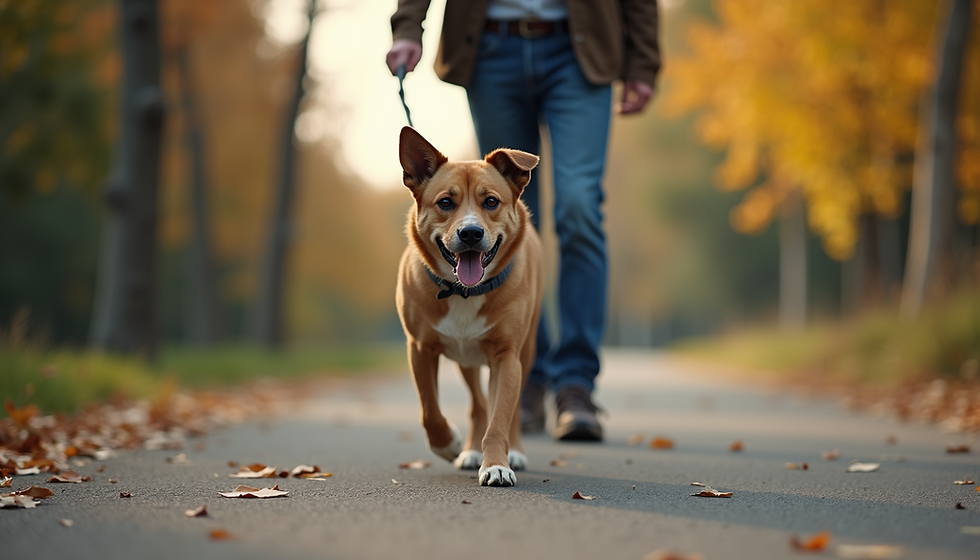
Use a short leash to maintain control and prevent pulling. Walk at a steady pace and avoid rushing.
Watch for Signs of Stress
Yawning, lip licking, or pacing can indicate your dog is overwhelmed. If you see these signs, take a break or move to a quieter spot.
How do I teach my dog to be calm in public?
Teaching your dog to be calm in public is a step-by-step process that requires patience and consistency. Here’s how I approach it:
Step 1: Create a Calm Environment at Home
Start training in a quiet, familiar space. Practice commands like “sit” and “stay” while rewarding calm behavior. This builds a foundation for public settings.
Step 2: Introduce Mild Distractions
Once your dog is comfortable, add distractions like a TV or a family member moving around. Continue rewarding calmness.
Step 3: Practice in Controlled Outdoor Spaces
Take your dog to a quiet park or backyard. Use commands and treats to reinforce calm behavior. Keep sessions short and positive.
Step 4: Gradually Increase Public Exposure
Visit busier places for short periods. Stay close to your dog and use commands to maintain calm. If your dog gets anxious, step back to a quieter area.
Step 5: Use Focus Techniques
Teach your dog to focus on you with commands like “look” or “watch me.” This helps redirect their attention from distractions.
Step 6: Reward Calmness Consistently
Always reward your dog when they remain calm. This positive feedback makes calm behavior more likely in the future.
Step 7: Be Patient and Consistent
Every dog learns at their own pace. Celebrate small victories and keep training sessions regular but short.

Why Professional Training Can Help
Sometimes, personalized guidance makes all the difference. Professional trainers understand dog behavior and can tailor a plan to your dog’s needs. At Kindred K9 Academy, we focus on building strong relationships through effective, personalized training and behavior modification programs. If you’re struggling or want to accelerate progress, seeking expert help is a great option.
For those interested in training a dog to be calm in public, professional support can provide the tools and confidence you need.
Making Every Outing a Positive Experience
Remember, the goal is to make public outings enjoyable for both you and your dog. Here are some final tips to keep in mind:
Keep training sessions short and fun
Always end on a positive note
Be patient and celebrate progress
Stay calm yourself – dogs pick up on your energy
With time and practice, your dog will learn to stay calm and relaxed, making every adventure a joy.
I hope these tips help you and your dog enjoy peaceful, happy moments outside. Remember, every dog is unique, and with kindness and consistency, you can build a calm, confident companion ready to explore the world by your side.


Comments